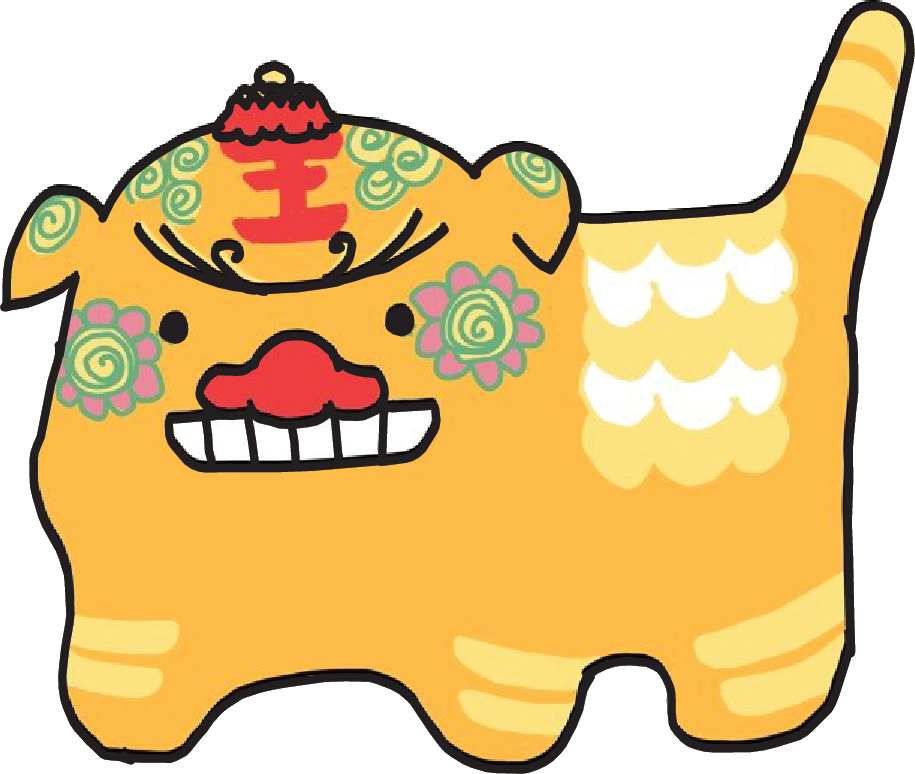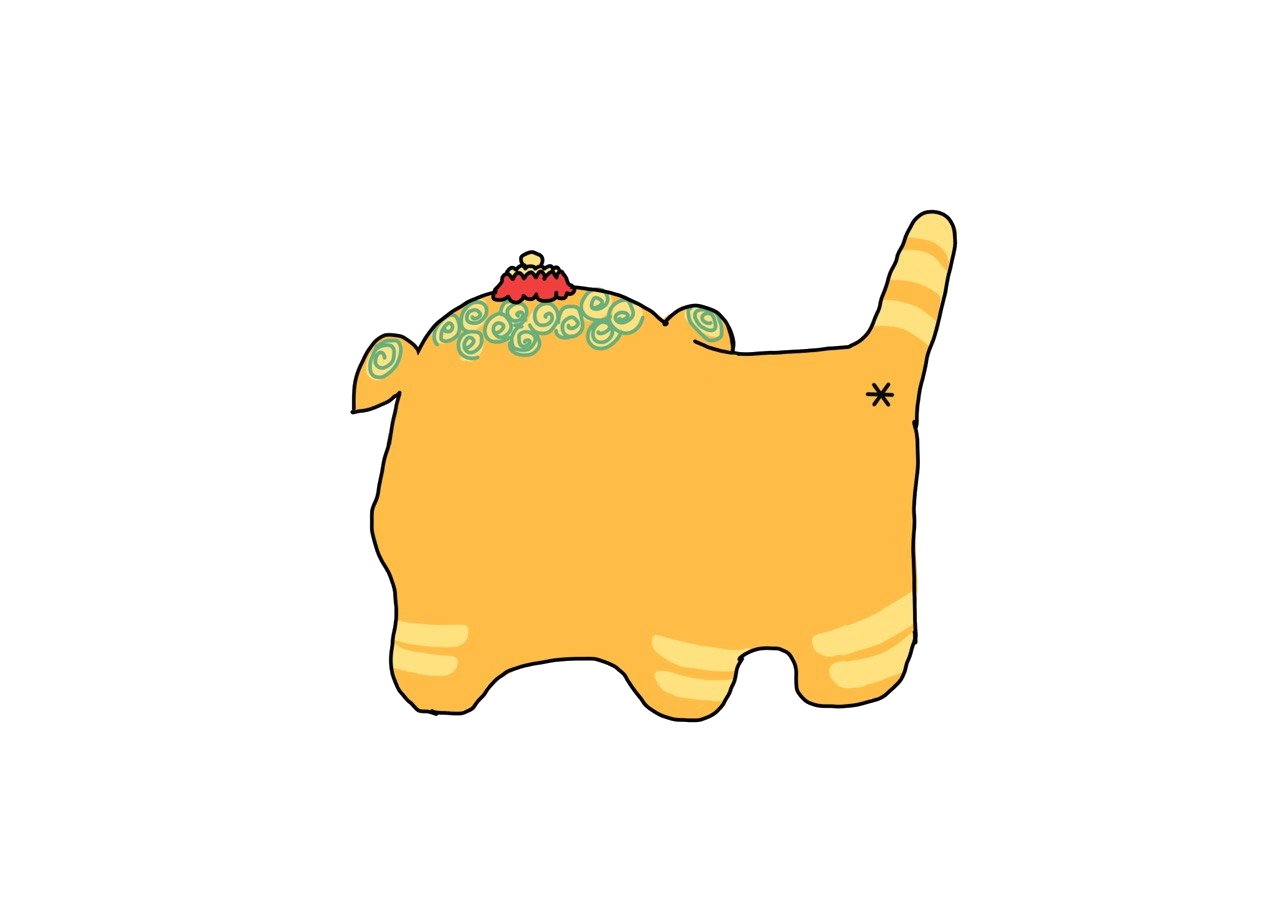
Our children's book follows our mascot, Bo' Hou, a Hainanese Tiger, around Singapore to discover different Hainanese cuisines and businesses.
Learn more about our Hainanese Tiger below, and read about his adventures discovering Singapore Hainanese cuisines in our ebook!
(Hainanese recordings of our book coming soon!)
The history behind Bo' Hou
On Hainan Island, the tiger dance is performed instead of the lion dance. While its exact origins are unknown, practitioners suspect it's a custom brought to Hainan Island by immigrants from He Nan. That tiger was brought to Singapore by our forefathers, and is still seen in performances in Hainan, and countries like Thailand where the Hainanese diaspora community is larger. In fact, in Thailand, the tiger dance has evolved, with the tigers featuring Thai motifs.
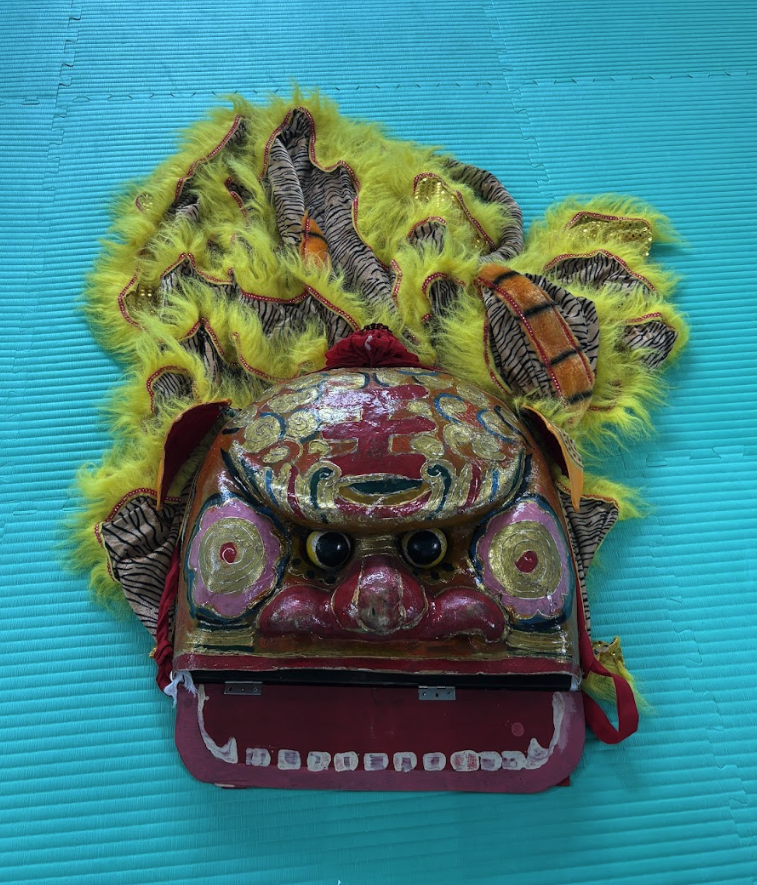
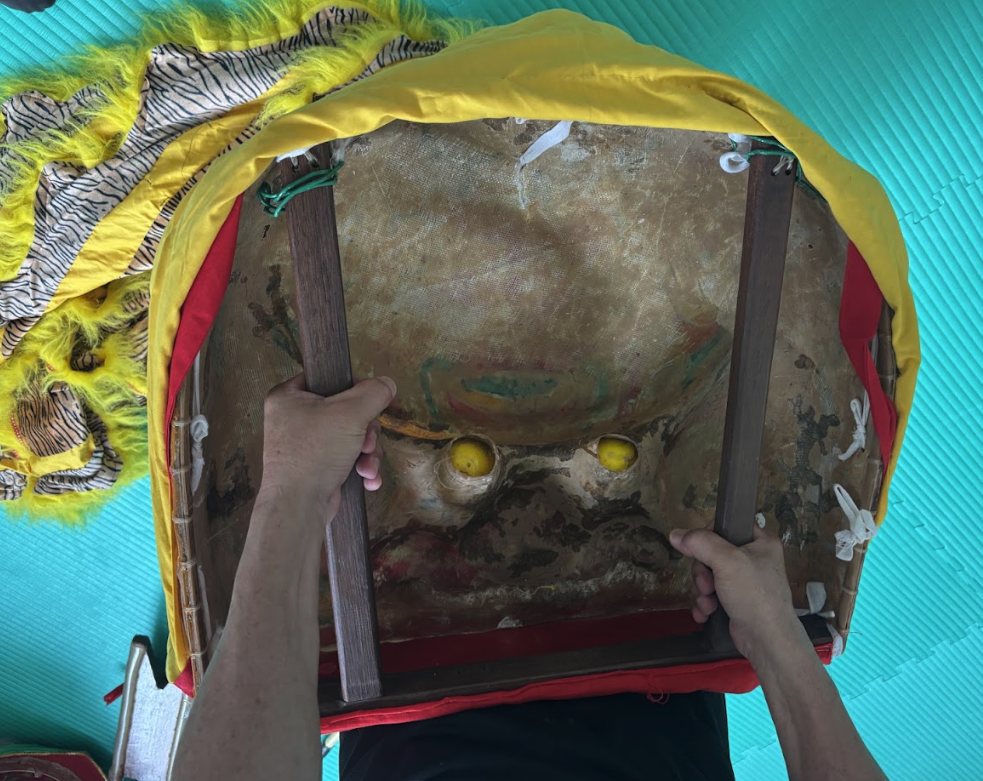
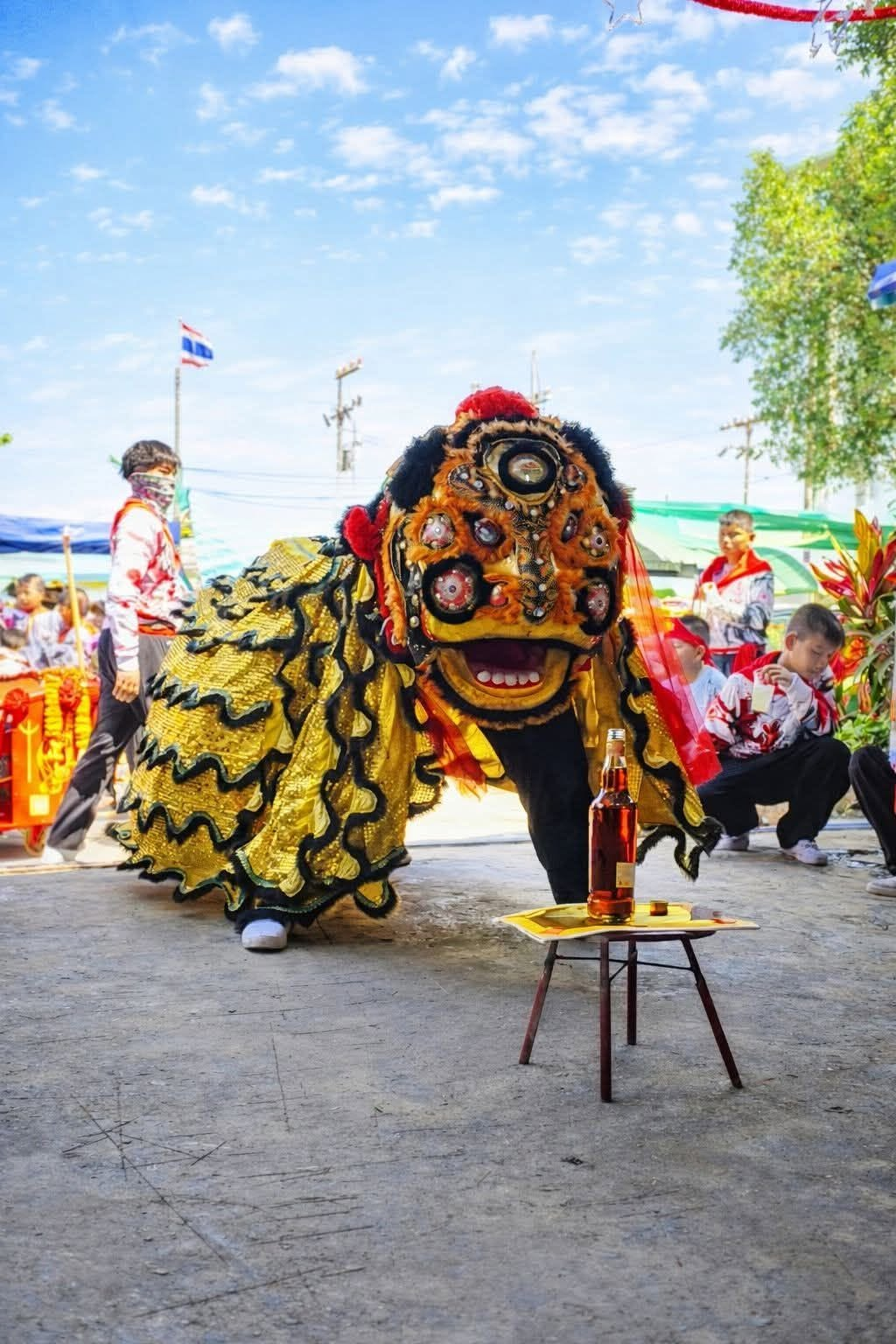
Different from typical conceptualisations of the lion dance in Singapore, which generally tends to be performed to ward off evil and bring good luck, the Hainan Tiger Dance used to be performed as a form of worship. Specifically, to a Hainanese martial deity, Xiǎn Tài Fū Rén (Lady Xian; 冼太夫人). Therefore, the movements of the Tiger Dance also tend to have more fighting or aggressive movements.
However, in Singapore, where the Hainanese community is smaller, the tiger was not well received. The lion, which is more commonly seen in performances of other dialect groups, was more popular. To survive, the founders of Guang Wu, the only Hainanese Wushu Group in Singapore, designed a lion based on the Hainanese Tiger. For this reason, the Hainanese Lion has eyes facing the front instead of the sides, and does not have a centre horn. Its movements are a combination of Fóshān Lion's movements — the more commonly seen lion dance in Singapore — and the more aggressive Hainan Tiger dance movements.
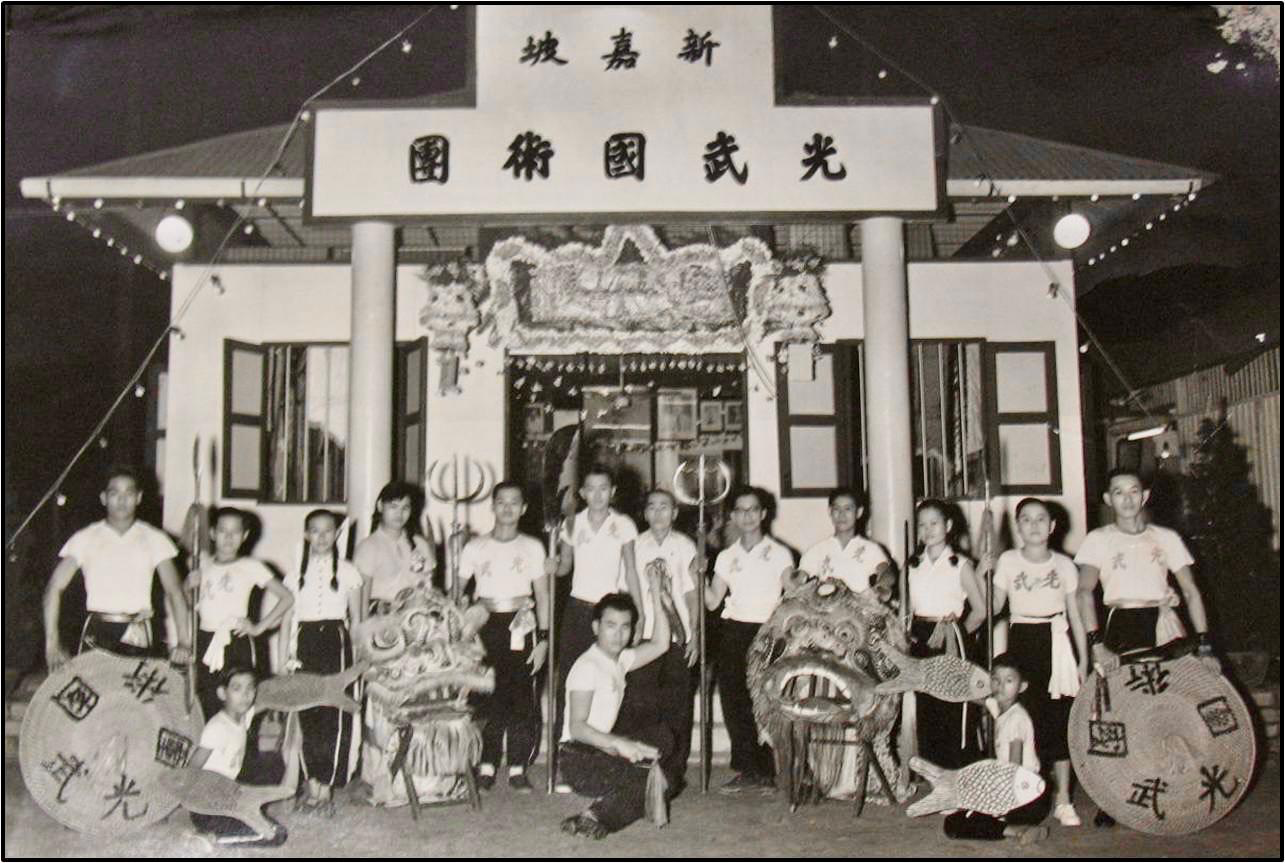
Today, both the Hainan Tiger and Hainan Lion, and their dances, are being preserved by Guang Wu Wushu Club in Singapore. First established in 1936, Guang Wu is said to be the second oldest Wushu club in Singapore. Other than the Hainan Tiger and Lion dances, Guang Wu also preserves and passes down Heng Pai Kungfu, or Hainanese-style martial arts. Developed by fishermen to ward off pirates, and first passed down in Singapore for fear of war, Hainanese-style kungfu is more explosive, with more elements focused on combat and self-defense, than other wushu styles in Singapore. The weapons they use are also inspired by day to day items the fishermen see and use: such as the sparrows and fish, which inspired their shield designs, and benches, stools and walking sticks.
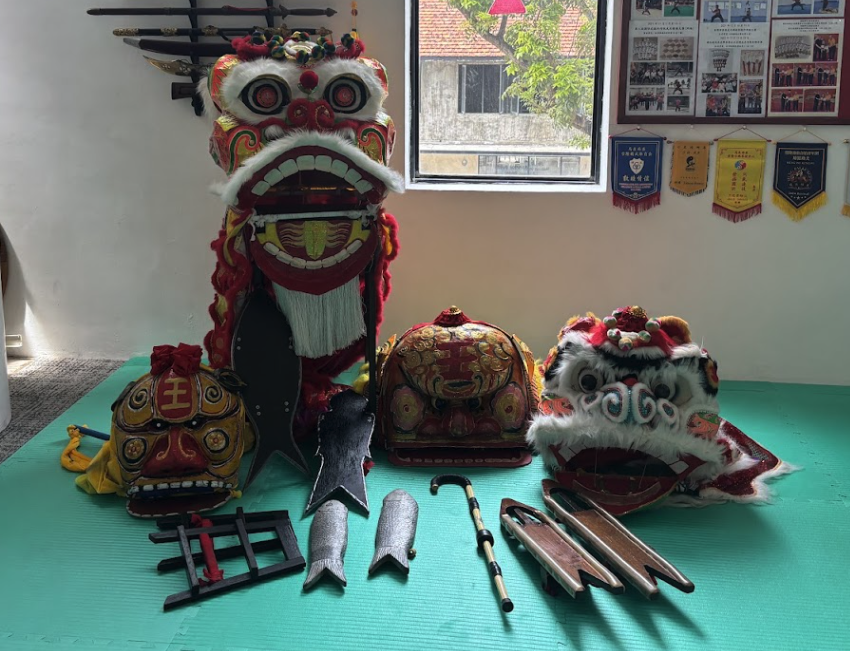
They train every Saturday — do drop by their premises at the Hainan Industrial Building near Balestier to learn more about their efforts!
Join Bo' Hou on his adventure to try out Singapore Hainanese cuisine!
Trouble viewing? Open the book in a new tab.