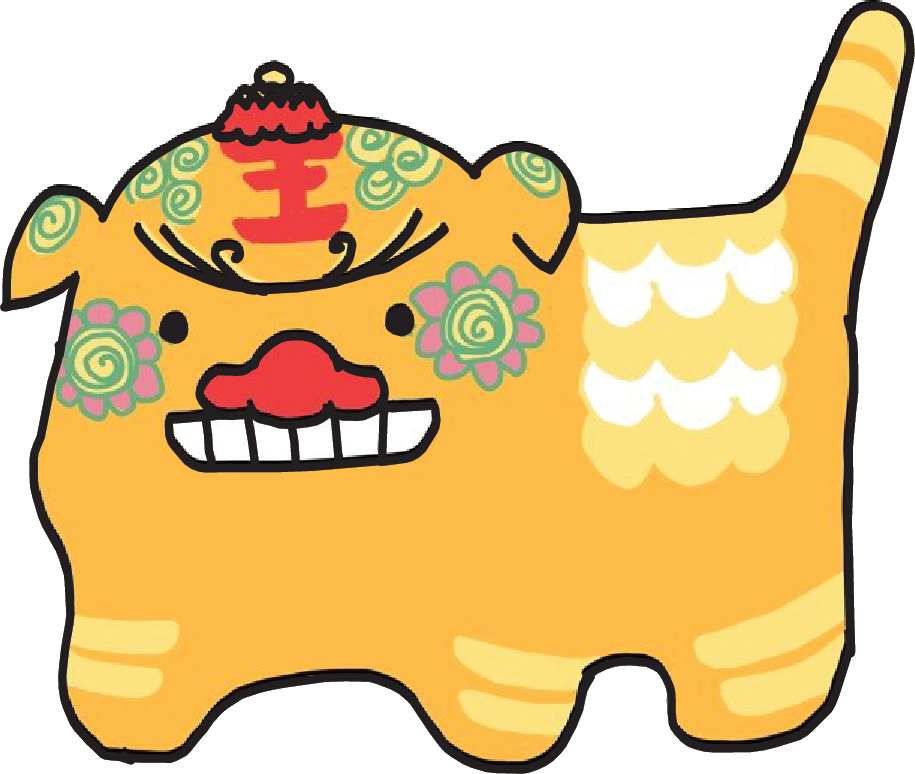
Founded in 2020, All Things Hainanese (海南邁) was established by a third-generation Hainanese kueh maker as a continuation of her family's culinary heritage. The business traces its origins to Hainan Cuisine and Snacks (海南小吃), a well-known hawker stall in Toa Payoh that has long been regarded by Singapore's Hainanese community as a destination for traditional Hainanese kueh.
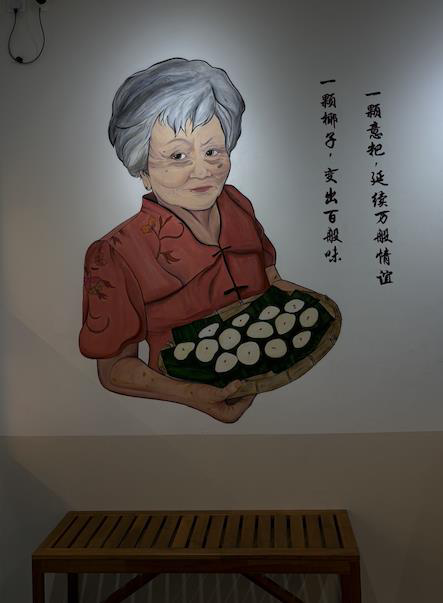
The family's legacy began with the founder's grandmother, who established Hainan Cuisine and Snacks (海南小吃) and single-handedly raised her five children through the making and sale of traditional Hainanese kueh. The business was subsequently passed to the second generation, with the founder's mother continuing to operate the original Toa Payoh stall today. The opening of All Things Hainanese provided the third generation with an opportunity to maintain a connection to their grandmother's legacy while introducing Hainanese food and culture to a wider audience. Inside their store, you can find a hand-painted mural of their grandmother, wearing an expression less fierce than her usual, according to those who know her.
Family remains central to the business. Reflecting their grandmother's belief that each family member should contribute according to their strengths in the original Toa Payoh stall, different members of the family continue to take on complementary roles in All Things Hainanese.
The shop's Chinese name, Hai Nan Mai 海南邁, was chosen before its English name. In Hainanese, mai is a traditional form of address for a woman, comparable to the colloquial use of terms such as "aunty", "kak" or "jie". The name pays tribute to the generations of women who have preserved and passed down the family's kueh-making tradition, from the founder's grandmother to her mother, and now to the founder herself.
The character mai 「邁」 also means "to move forward" or "to progress", reflecting the founders' aspiration to preserve Hainanese culture while ensuring that it continues to evolve and reach future generations. It is intentionally written in traditional Chinese (繁體) rather than simplified Chinese (简体), as its visual balance conveys the stability and longevity that the family hopes to achieve through the business.
The English name, All Things Hainanese, was selected to appeal to a broader audience beyond the Hainanese community. By adopting a simple and memorable name, the founders hope to introduce younger Singaporeans to Hainanese food culture and, in particular, make traditional Hainanese kueh more widely recognised.
Among the shop's signature offerings is yibua (薏粑), the traditional Hainanese glutinous rice cake featured in the shop's logo. Within Hainanese culture, yibua is closely associated with significant life events and is commonly presented during occasions such as housewarming celebrations and weddings. It is also prepared for funerals, and given as offerings, although these versions are traditionally made without the distinctive red dot.
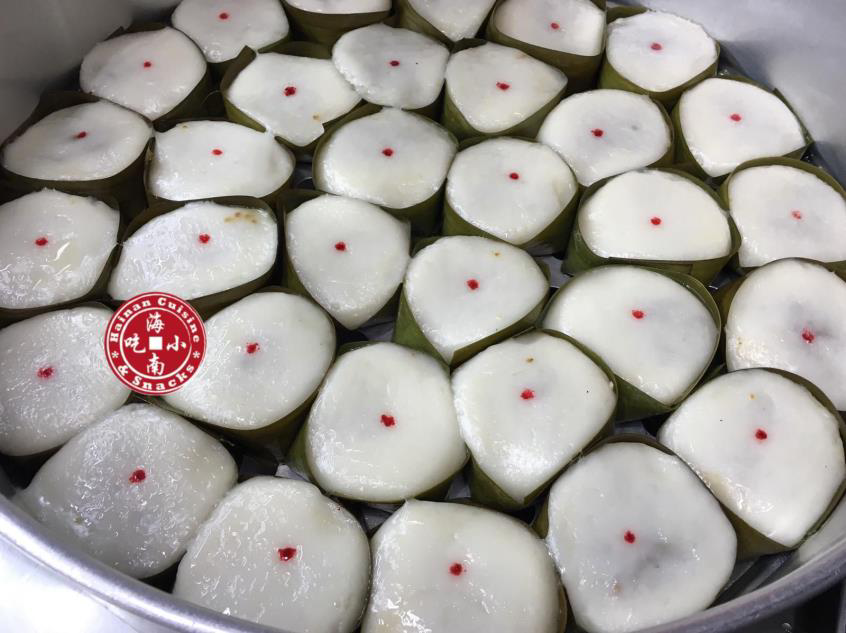
Yibua is made with a skin of glutinous rice flour and a filling comprising grated coconut, gula melaka, peanuts, sesame seeds and ginger. On ordinary occasions, similar flavours are enjoyed in the form of bua at, a simpler snack consisting of small glutinous rice balls served with the same filling scattered over them. In addition to these traditional treats, the shop offers a range of Hainanese snacks and desserts.
Recognising that ginger can be an acquired taste, All Things Hainanese and Hainan Cuisine and Snacks (海南小吃) have experimented with different ginger proportions in their yibua. They have also introduced a ginger-free version, distinguished by its green colour, alongside new flavours such as sweet potato and goi dai deng, an indigenous herb from Hainan Island. During a business trip to Hainan, the founder observed that yibua on the island was noticeably sweeter and contained much less ginger than its Singapore counterpart. Whether this reflects the evolution of local recipes in Singapore or changes that have taken place in Hainan itself, the comparison illustrates how culinary traditions continue to evolve across time and place.
Through these adaptations, the founders hope that yibua will become more widely appreciated beyond the Hainanese community and eventually attain a place in Singapore's broader food culture, much like other traditional kueh that are now enjoyed across communities.
Nam Tong Lee (南同利) was one of the prominent Hainanese businesses on Purvis Street and, like many establishments in the area, began by providing remittance services for migrants sending money home to Hainan Island.
The premises also functioned as a gong si lou (公司楼), a type of communal lodging commonly used by newly arrived Chinese migrants. Such accommodation provided a temporary place to stay while migrants waited for relatives to receive them, and in some cases became their long-term residence in Singapore. As multiple families often shared the same building, these residences were commonly identified by the large number of shoes left outside their entrances.
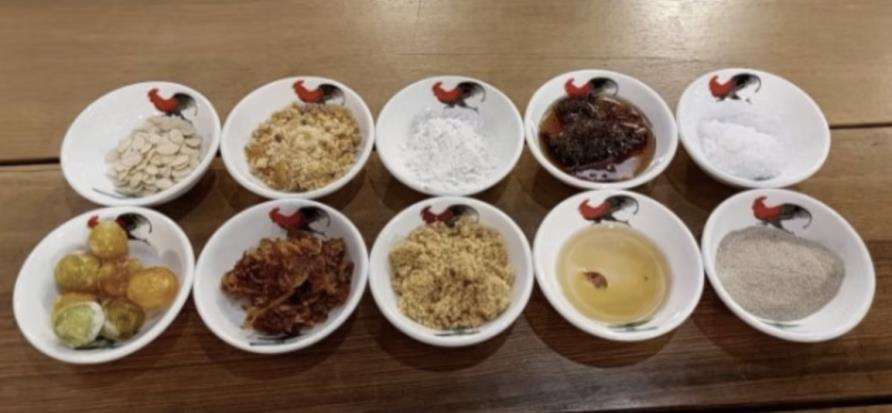
Over time, Nam Tong Lee evolved from a remittance business into a traditional bakery, introducing recipes from Hainan and adapting them to local tastes. The bakery is widely associated with the development of the Hainanese mooncake, or su yan bing, a pastry regarded as unique to Singapore's Hainanese community. Although the original recipe was brought to Singapore from Hainan, to make the pastry more accessible, the recipe was adapted to using local, more affordable ingredients. Currently, the Hainanese mooncake contains 13 ingredients, such as kumquat peels, fried shallots, peanut oil, sesame seeds, melon seeds, salt, pepper, and lime strips.
Today, the bakery's mooncake-making tradition continues through Chuan Jii, operated by the grandson of the woman who once ran Nam Tong Lee, Suan, and his mother, Mdm Wong, preserving recipes and techniques passed down through successive generations. Now, one of the only places in the world which still bake the Hainanese mooncake, customers from all over the world throng to Singapore to purchase it during the midautumn festival.
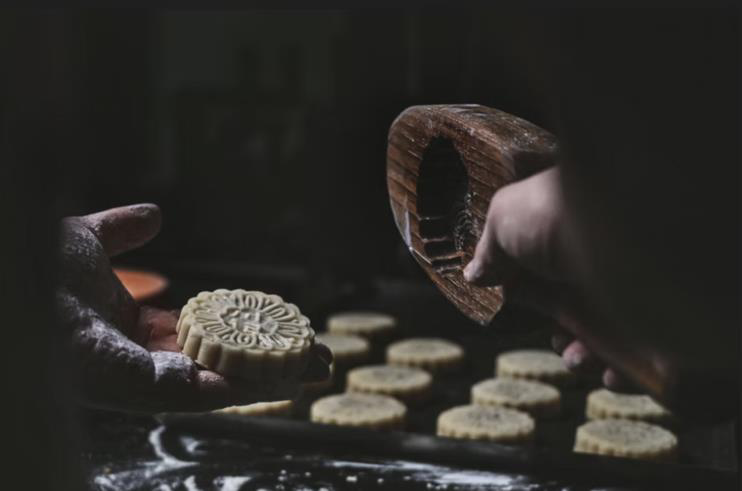
One memorable story shared by the owner is how the mooncakes baked at Chuan Jii Bakery helped to reunite his mom, Mdm Wong, with an old friend. A customer brought back Chuan Jii's mooncakes for his mother. After trying it, the customer's mom immediately identified the mooncakes as Nam Tong Lee's mooncakes. So, she went down to their physical store to meet Madam Wong. They had not seen each other in more than 40 years, but the mooncake helped them to reconnect — it was a tearful and heartening reunion.
Other than the Hainanese mooncakes, Chuan Jii also preserves other traditional, family, Hainanese recipes. Such as the Hainanese pork chop, prepared with cream crackers and brown sauce, instead of breadcrumbs and tomato ketchup.
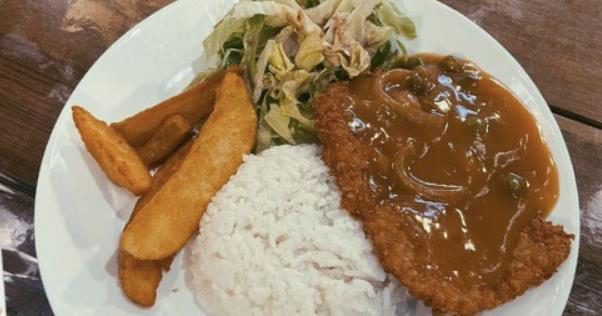
These dishes were popular dishes when Chuan Jii operated as a physical cafe. While they are currently a fully online operation, they are keeping a lookout to restart physical operations — so do stay tuned for updates! In the meantime, they continue to bake mooncakes every Mid Autumn Festival.
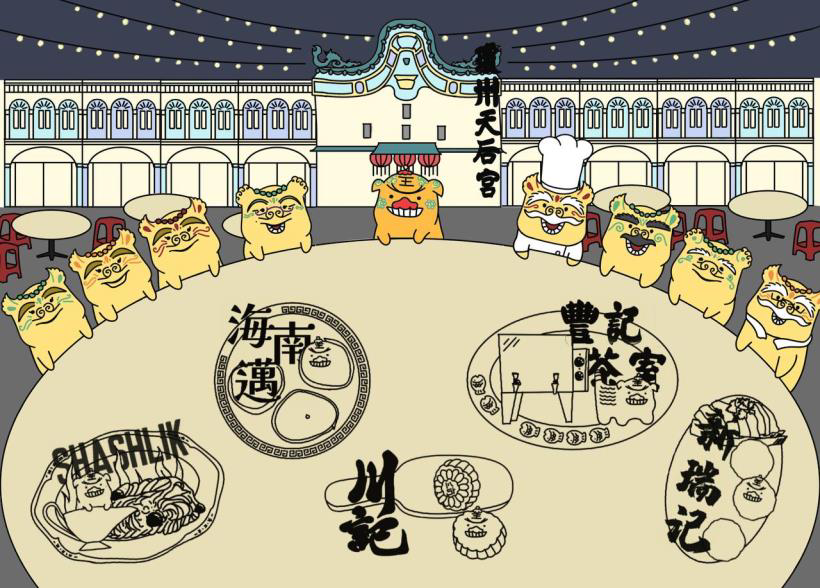
Another story that greatly impacted us was the story of how Suan's grandmother, the owner of Nam Tong Lee, would hold a grand feast every Mid Autumn Festival. According to Suan, his grandmother would set up tables and chairs along the whole of Hainan 2nd Street (Purvis Street) and serve up a feast. On one end of the street, there would be a stage set up, with Hainanese Opera performances, and there would be song and laughter throughout. The grandeur of this set up touched us greatly, and became the foundational storyline for our project. (Thank you so much Suan, Mdm Wong, grandma, Nam Tong Lee and Chuan Jii!)
Among the older generations of Singaporeans, one of the few names associated with Hainanese chicken rice is Swee Kee (瑞记). Originally located on Hainan First Street (now, Middle Road), the restaurant achieved widespread popularity and became one of the most celebrated chicken rice establishments in Singapore. Its reputation extended beyond local diners, attracting overseas visitors and celebrities who travelled to the Hainanese enclave specifically to dine there. Such visits were notable occasions for residents of the neighbourhood.
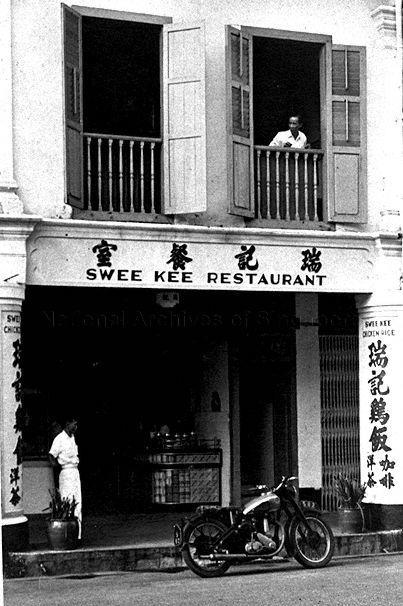
The restaurant's enduring reputation has also contributed to the emergence of numerous businesses bearing variations of the Swee Kee name, including Sing Swee Kee, Swee Kee and Zheng Swee Kee. The continued recognition of the name reflects the lasting influence of the original establishment within Singapore's culinary landscape.
The origins of Sing Swee Kee (新瑞记) are closely tied to the legacy of the original restaurant. Its first owner was not Hainanese, but a Hokkien admirer of the original Swee Kee. Following the closure of the restaurant, he sought permission from its owner to continue using the Swee Kee name, a request that was granted. The business was subsequently acquired by the father of its current owner before being passed down to the present generation, bringing the brand once again under Hainanese ownership.
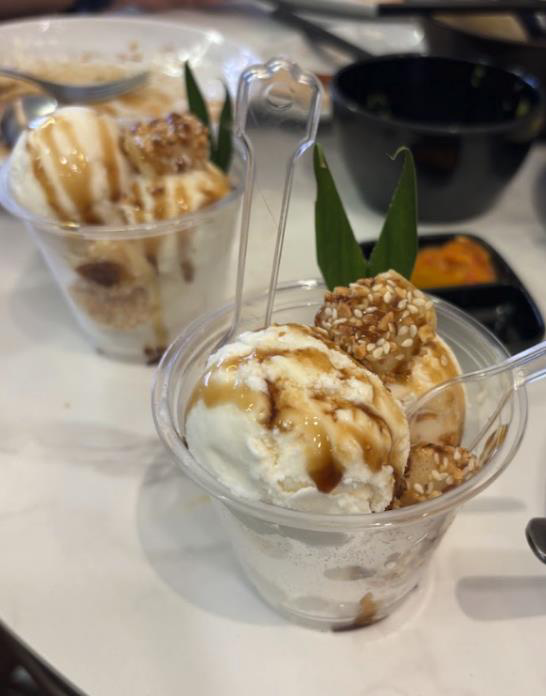
While preserving this legacy, Sing Swee Kee has also introduced new interpretations of Hainanese cuisine. These include creations such as yibua ice cream and sweet potato yibua, alongside the revival of the traditional Hainanese chicken rice ball. Once a common form in which chicken rice was served in Singapore, rice balls were particularly associated with Qing Ming, when they provided a convenient meal for families visiting ancestral graves. Over time, however, chicken rice balls became increasingly rare in Singapore, with some attributing their decline to changes in ingredients that made the rice more difficult to shape and retain its form.
The current owner of Sing Swee Kee, Eliss, reintroduced chicken rice balls to the menu as a tribute to her grandmother, whose method of preparing chicken rice inspired the dish. In doing so, the restaurant continues to preserve an aspect of Hainanese culinary heritage that has become increasingly rare.
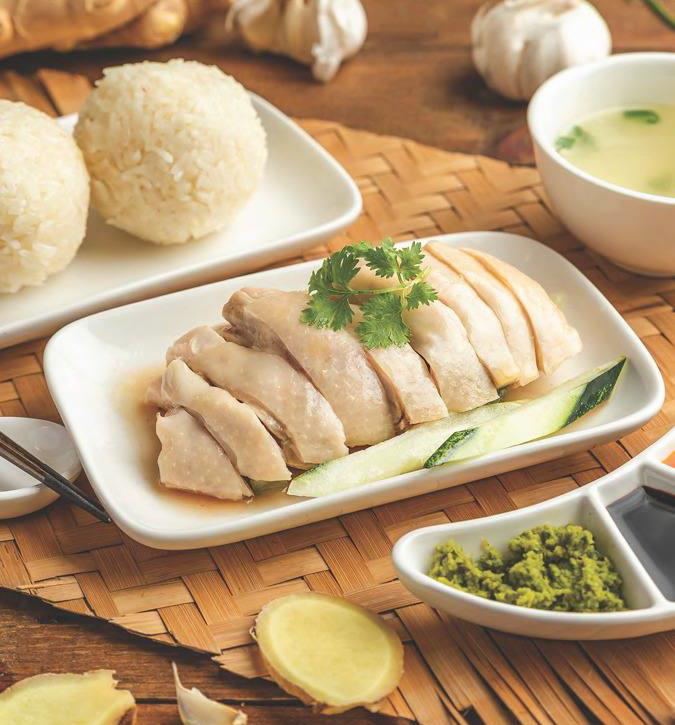
Today, Sing Swee Kee reflects the contributions of several generations and communities. Its signature green ginger sauce is derived from the recipe of its original Hokkien owner, while the revived chicken rice balls draw upon the current owner's family memories. Other dishes, including its noodles and pork chop, incorporate recipes shared by members of Hainanese associations, illustrating the collective effort to preserve and sustain Hainanese food traditions.
Shashlik was born from the Troika Restaurant, which was a famous Russian restaurant, started in 1963. Contrary to popular belief, Troika was founded by a Shanghainese lady! Who simply had a dream of opening a Russian restaurant. However, as she was only able to hire one Russian chef, to still be able to produce authentic Russian cuisine, she hired many more Hainanese chefs, who used to work on Russian ships!
When Troika's golden era ended in January 1986, nine former employees pooled their life savings together and opened Shashlik Restaurant in April 1986. They remained a Russian restaurant, and kept the tradition of Troika being a melting pot of cultures. They started preparing these Russian recipes with more local ingredients, such as soy sauce, and with local "instruments" such as the wok! Some recipes also include a Hainanese twist. For example, their beef stroganoff is prepared with chicken rice!
Currently, Shashlik is run by two brothers, Derrick and Alan, sons of one of the initial 9 owners. You can often find them at the restaurant, connecting with customers! Most of the recipes at Shashlik today, have been passed down since its Troika days. Many loyal patrons of Troika, also continue to patronise Shashlik today. When asked what is one of the greatest joys of running the business, Alan remarked that it's hearing from customers that the food tastes exactly as they remember.
On top of the recipes, Shashlik also has staff who have been working with them since the Troika days. Specifically, since the first day Troika opened in 1986. You can catch Uncle Foo, and Aunty Tan at Shashlik serving up a warm cup of coffee, or a delicious warm bun, in the same style of uniforms they wore since the Troika days. You can also catch them chatting with each other, and the owners, in Hainanese! Feel free to chat them up yourselves, in Hainanese if you'd like!
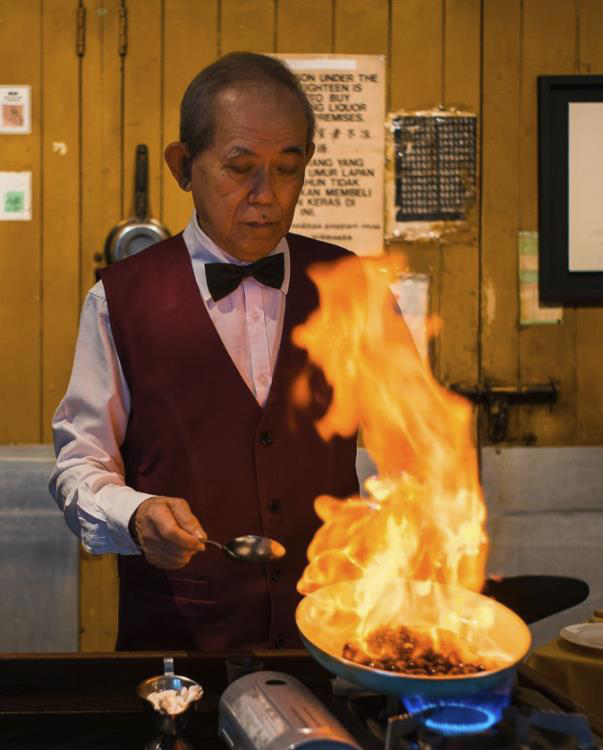
An interesting story from the owners concerns the colours of the walls of the restaurant. When they first renovated, the walls were painted a lighter colour. Only after they tested out their menu, did they realise they could not see the flames on many of their signature dishes! So, before opening, they quickly repainted their walls a darker colour.
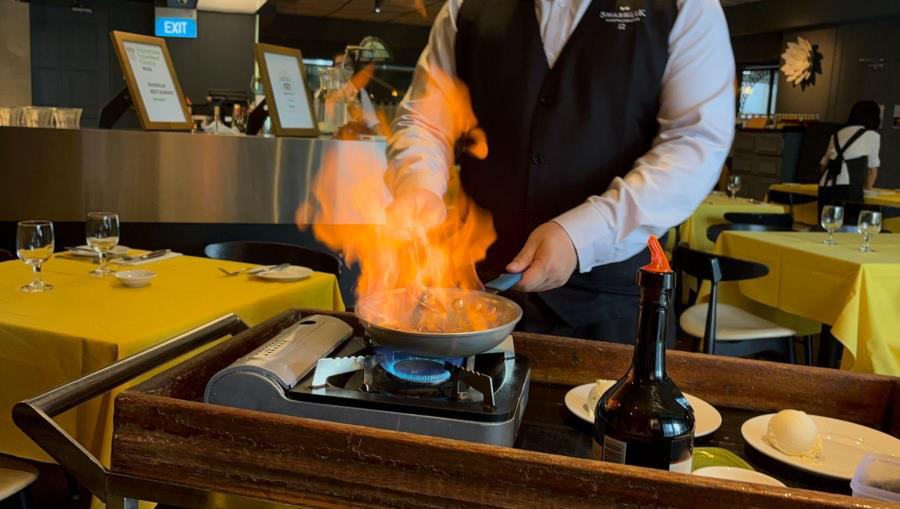
During lunch operations, they shared that they tend to keep the restaurant brighter, as they get more elderly patrons during this time. But, during dinner operations, the lights are dimmed, and a candle light dinner setting is provided, to cater to the younger customers. Other new demographics of customers the owners have seen, are groups of Japanese housewives bringing their children for lunch, and teenagers who discover their restaurant on social media, and bring along their parents to try it out. These younger demographics have encouraged the owners to more actively promote Shashlik on social media.
In 2025, Shashlik was officially recognised as a Heritage Business by the National Heritage Board. We look forward to seeing how they continue growing with Singapore's heritage.
Ah Mai Kim is a family-run Hainanese coffee stall that traces its origins to Keppel Road, where it was first established by the current owner's father in the former PSA area. The business later relocated to Seah Im Food Centre, making it the family's third (and also current) location.
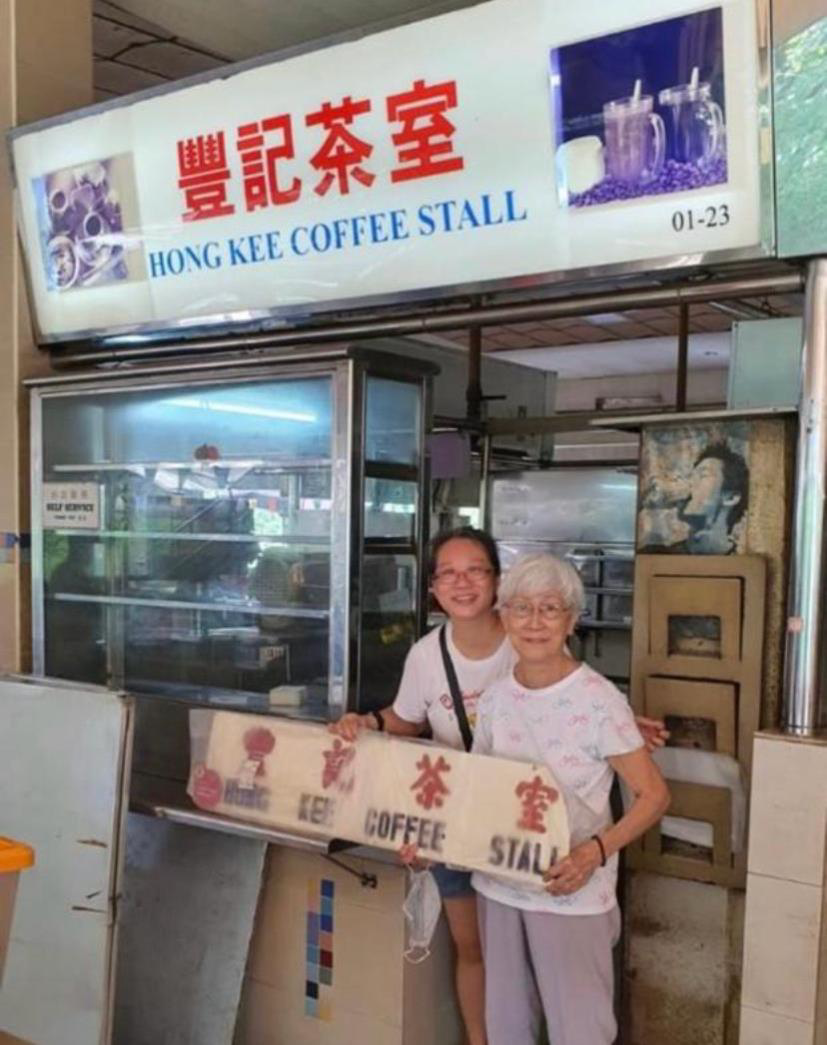
The name Ah Mai Kim's references to Ah Mai, which can mean auntie, or a general reference to any female in Hainanese, and Kim, the name of the current owner. Realising that the English transliteration of the name Ah Mai Kim is not recognisable by her customers, she adopted the name of her father's former coffee stall – Hong Kee Coffee Stall. Today, her original "Ah Mai Kim" name can still be seen on the signboard. Embracing her Hainanese heritage, the owner also deliberately identifies the stall as "Truly Hainanese". She noted that the designation has encouraged customers to visit and support the business, as traditional Hainanese coffee has a richer taste.
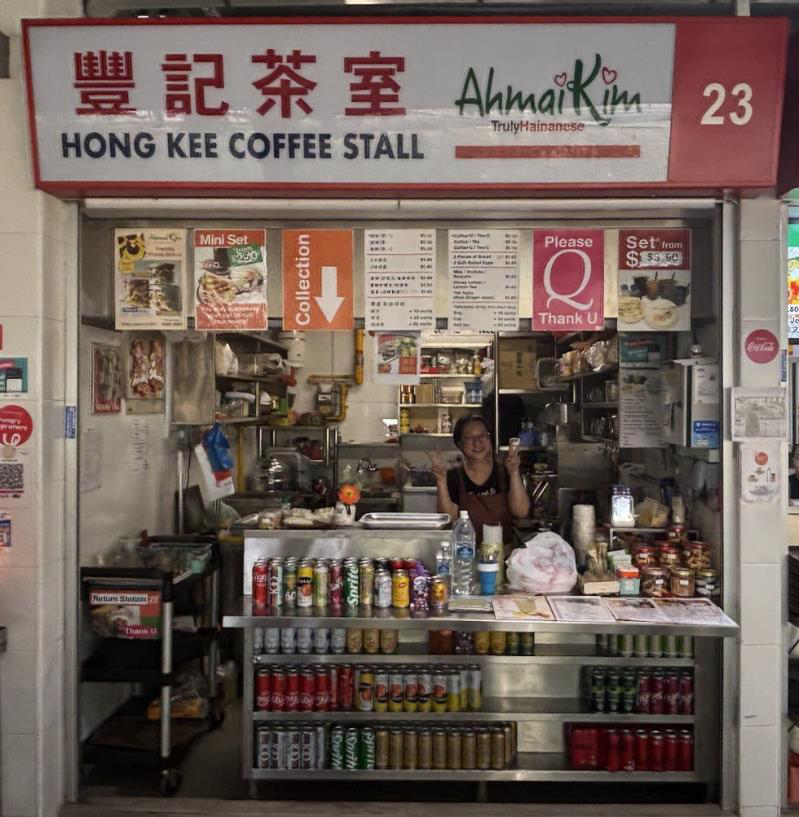
The current owner grew up in the coffee stall, accompanying her father from a young age and helping with simple tasks such as washing cups during school holidays. While she was contributing to the family business, she saw it as a form of play, enjoying every moment at the coffee shop with her father. Although her mother had hoped she would pursue an office career, she preferred spending time at the stall and eventually continued the family business. Many of her fondest childhood memories centre on working alongside her father, whose encouragement and humour left a lasting impression.
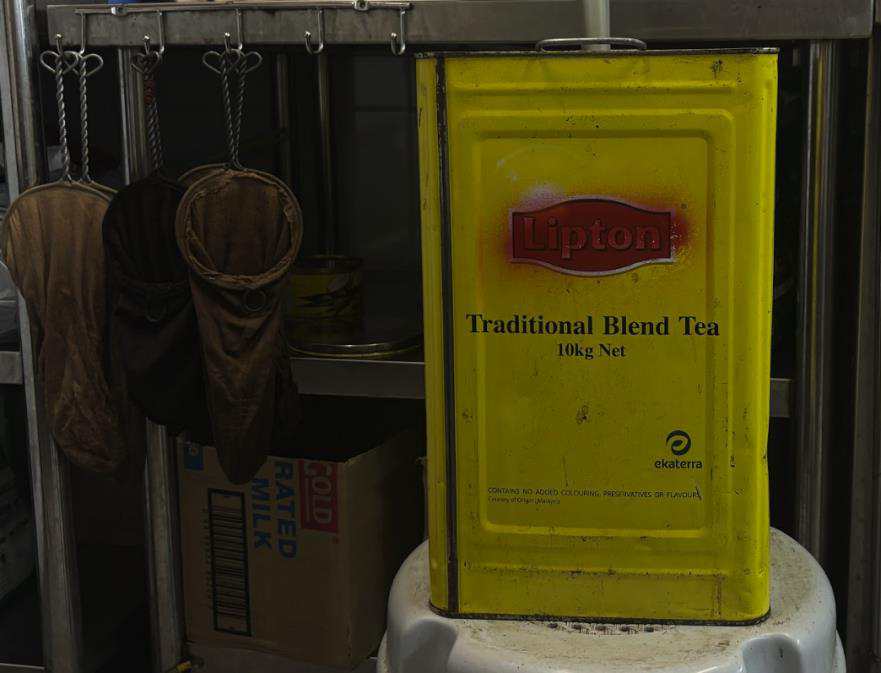
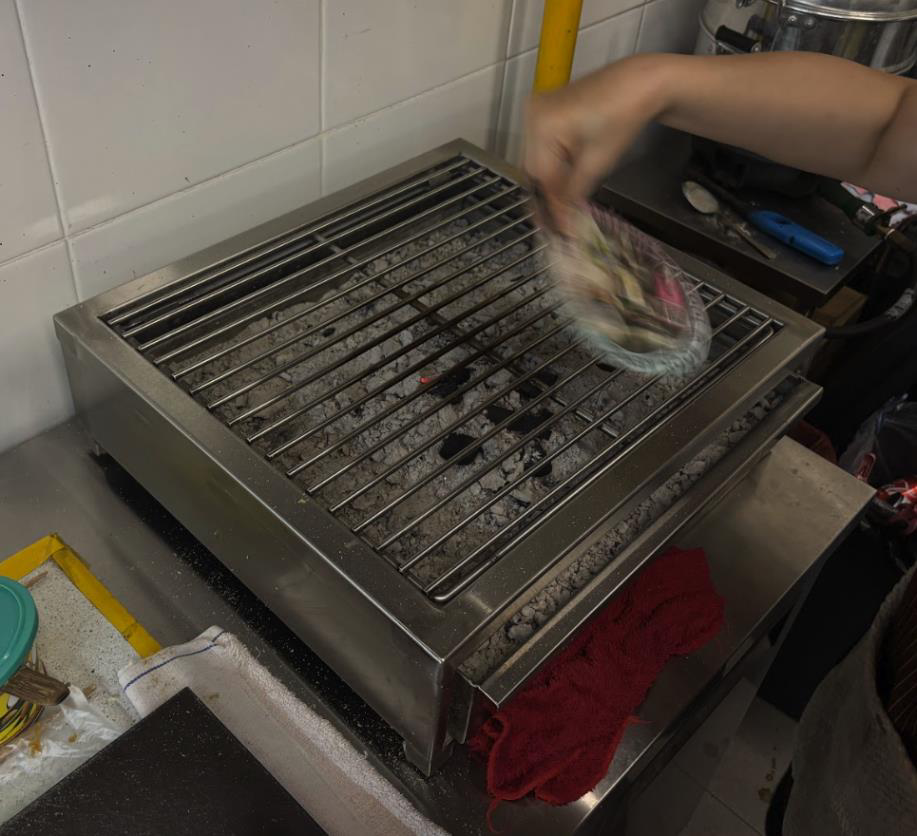
Traditional methods remain central to the preparation of coffee at Ah Mai Kim Coffee Stall. While selected equipment has been modernised, the roasting and brewing techniques passed down from the owner's father have been carefully retained. Coffee continues to be brewed using the traditional cloth sock filter, a method the owner believes produces a distinctive aroma and flavour that cannot be replicated by modern alternatives. Even the familiar metal coffee tins from the bygone days remain in use. Also, kaya and butter toast remain roasted the traditional way here, by using a charcoal grill!
Today, Ah Mai Kim Café continues to balance continuity with practical adaptation. While minor changes have been made to improve the stall's workflow and accommodate contemporary operations, the business remains rooted in the traditions established by its founder. Through its enduring family ownership, traditional brewing methods and strong Hainanese identity, the stall represents the continuation of a longstanding Hainanese coffee culture in Singapore.
Kheng Chiu Tin Hou Kong (瓊州天后宮) is one of Singapore's oldest Hainanese temples. Established around 1853, the temple predates the Hainan Hwee Kuan (海南會館) by a year. This was a common pattern among overseas Chinese communities, where newly arrived migrants often established places of worship before forming clan organisations, seeking spiritual protection and a sense of community in an unfamiliar land. As more of the Hainanese community started gathering at the temple, they pooled money to purchase the Hwee Kuan building, for a bigger space for the community to gather.
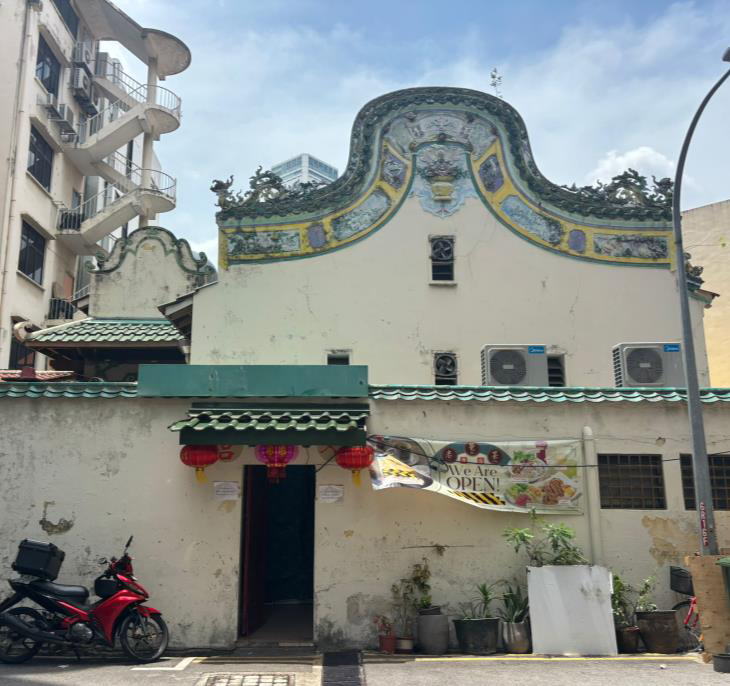
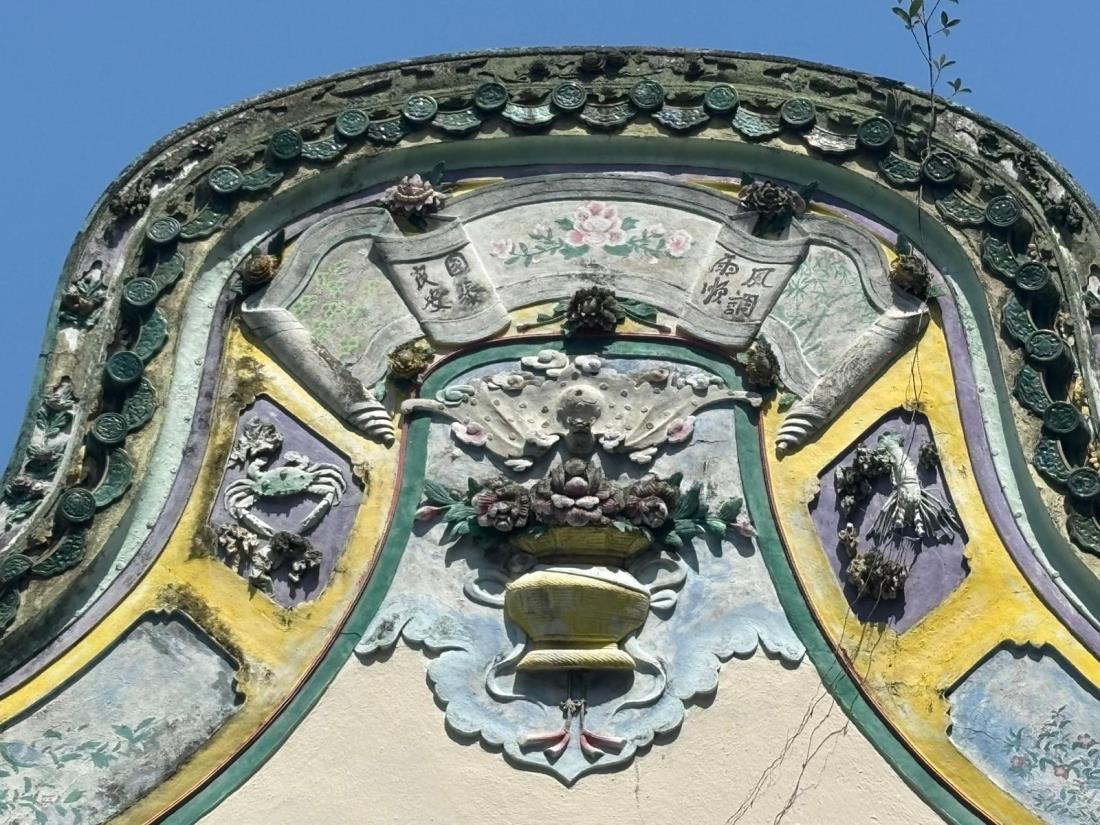
The temple building still sits behind the building — walk further in, and out the back door to catch a glimpse of its beautiful architecture, now gazetted for preservation! Its wall is the shape of a wok's ear (yes the one we use for cooking), a signature of Cantonese temples, and a wink to Hainan Island's history of being governed by the Canton province. It also has crab and lobster patterns on it, as they are representations of prayers for children to pass imperial exams. Crab and lobsters are termed 甲壳类 (jia ke lei; shellfish). Imperial exams also had three tiers: 一甲 (yi jia; tier 1),二甲 (er jia; tier 2) and 三甲 (san jia; tier 3). This alliteration applied particularly for the crabs, which are called 螃蟹 (pang xie) in Chinese. 金榜题名 (jin bang ti ming) meant to pass the imperial exam in Chinese.
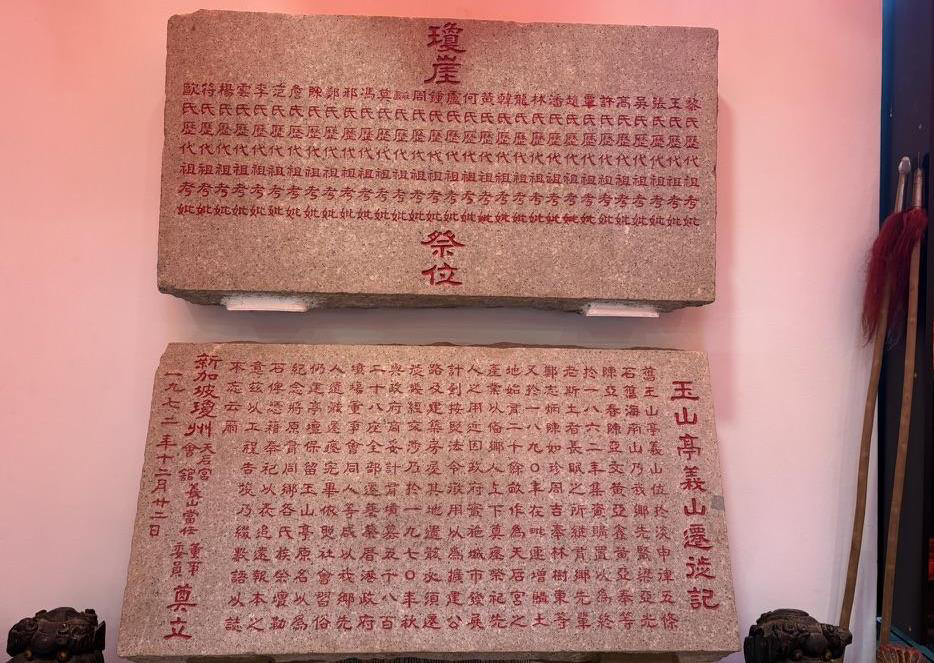
Back in the past, the Kheng Chiu Tin Hou Kong also managed the Hainanese cemetery in Singapore, Hai Lam Sua. Even though that land was requisitioned by the government, Tin Hou Kong keeps a stone tablet from that space, that records all the local Hainanese clan names on it. That tablet is now displayed at the temple; if you're of Hainanese descent, see if you can spot your surname, or your ancestor's surname on it!
Unlike the Tian Hou temples established by the Hokkien, Teochew and Cantonese communities to worship Mazu, the Hainanese temple houses deities that are particularly significant to the Hainanese community. Among its principal deities is Shui Wei Sheng Niang (水尾圣娘), a sea Goddess widely venerated by Hainanese migrants and often regarded as the Hainanese equivalent of Mazu. The temple also enshrines the 108 Heroes (一百零八兄弟), as well as other Chinese and Taoist deities such as Wenchang Dijun (文昌帝君) and Tu Di Gong (土地公). Xian Tai Fu Ren (冼太夫人) is particularly revered in Hainan for her role in bringing stability and administrative reform to the island.
Beyond its religious role, the temple serves as an important institution supporting the Hainanese community in Singapore. Income generated from its properties, including commercial and industrial buildings, enables the temple to provide regular financial support to the Hainan Hwee Kuan and to fund a wide range of charitable and cultural initiatives.
These initiatives include scholarships for Hainanese students from junior college through postgraduate studies, overseas medical missions to Hainan, pro bono legal services for members of the public, annual grocery distribution to lower-income households, and financial assistance for funeral expenses. The temple also supports the preservation of Hainanese intangible cultural heritage by sponsoring Hainanese opera, Hainanese lion dance troupes and musical groups, as well as organising an annual Hainanese Delicacy Festival celebrating traditional cuisine.
In recent years, Kheng Chiu Tin Hou Kong has also sought to modernise its outreach. New initiatives include digital membership programmes, partnerships with Hainanese businesses, and community events designed to appeal to younger generations. These efforts reflect the temple's continuing role not only as a place of worship, but also as a cultural institution dedicated to sustaining Hainanese heritage in contemporary Singapore.
To make these Hainanese and Taoist deities more accessible to the general public, and younger generation, descriptions of the deities, and explanations of the steps behind worship have been put up in the temple. They are also looking into digitalising this information.
Join Bo'Hou in discovering the stories behind Singapore's beloved Hainanese businesses, and where the community used to live, using the interactive map below!